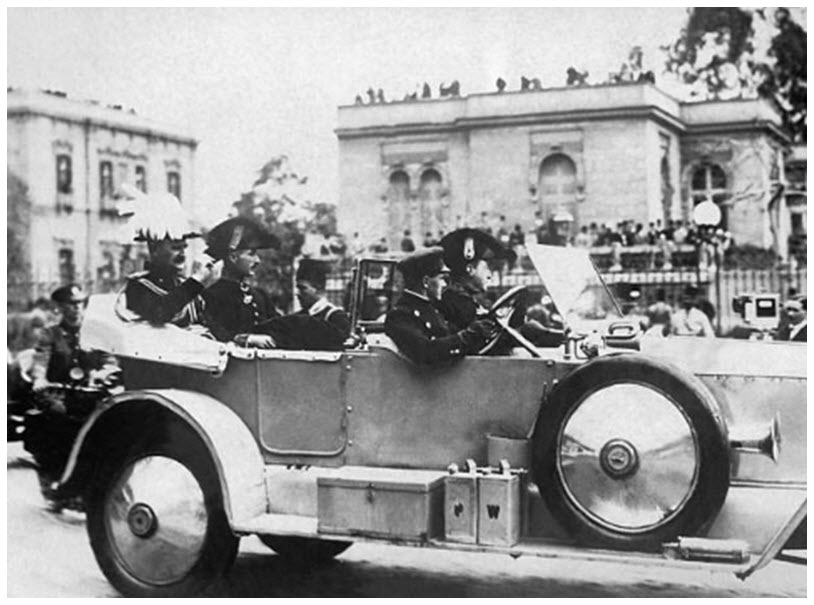
◊ During the 1920s, 1930s, and 1940s, Syria and Egypt made moves towards independence. The British, the French, and the Soviet Union departed from many parts of the Middle East during and after World War II (1939–1945). The Arab–Israeli conflict in Palestine culminated in the 1947 United Nations plan to partition Palestine. Later in the midst of Cold War tensions, the Arabic-speaking countries of Western Asia and Northern Africa saw the rise of pan-Arabism. The departure of the European powers from direct control of the region, the establishment of Israel, and the increasing importance of the petroleum industry, marked the creation of the modern Middle East. In most Middle Eastern countries, the growth of market economies was inhibited by political restrictions, corruption and cronyism, overspending on arms and prestige projects, and over-dependence on oil revenues. The wealthiest economies in the region per capita are the small oil-rich countries of Persian Gulf: Qatar, Kuwait, Bahrain, and the United Arab Emirates.