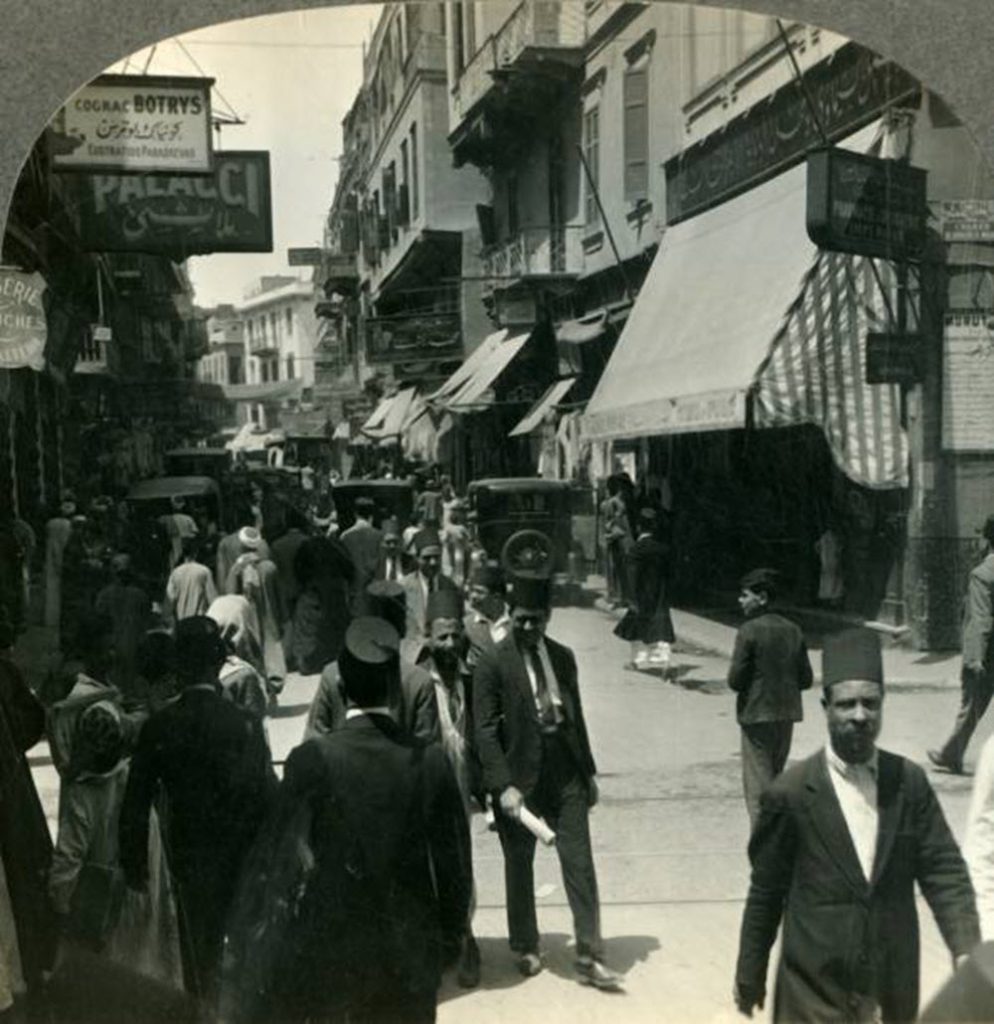
◊ In the 1st century BC, the expanding Roman Republic absorbed the whole Eastern Mediterranean, which included much of the Near East. The Eastern Roman Empire, today commonly known as the Byzantine Empire, ruling from the Balkans to the Euphrates, became increasingly defined by and dogmatic about Christianity, gradually creating religious rifts between the doctrines dictated by the establishment in Constantinople and believers in many parts of the Middle East. From the 3rd century up to the course of the 7th century AD, the entire Middle East was dominated by the Byzantines and the Sasanian Empire. From the 7th century, a new power was rising in the Middle East, that of Islam. The dominance of the Arabs came to a sudden end in the mid-11th century with the arrival of the Seljuq dynasty. In the early 13th century, a new wave of invaders, the armies of the Mongol Empire, mainly Turkic, swept through the region. By the early 15th century, a new power had arisen in western Anatolia, the Ottoman emirs, linguistically Turkic and religiously Islamic, who in 1453 captured the Christian Byzantine capital of Constantinople and made themselves sultans.